Mold Detection and Prevention Advice for New Jersey Real Estate Professionals and Homebuyers
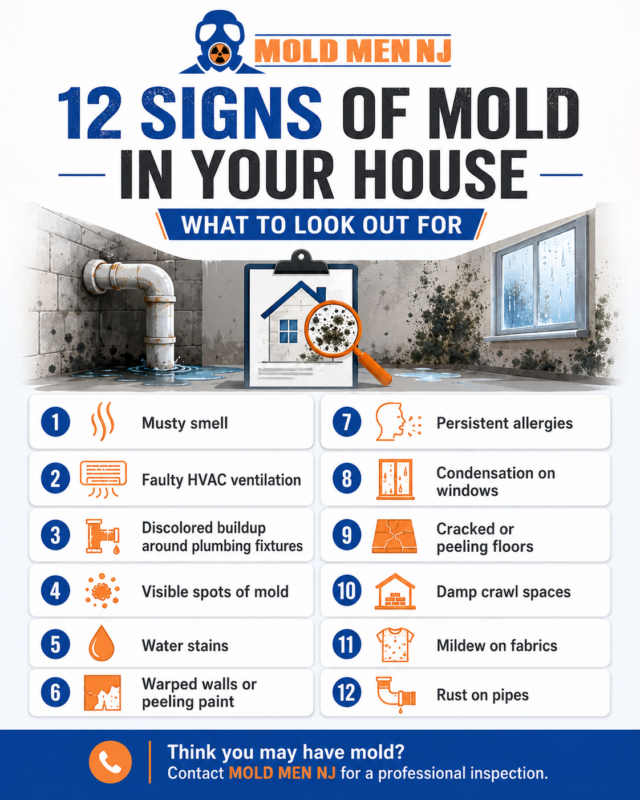 Mold problems are often misunderstood. Many people think mold is only a concern when visible growth appears on a wall, ceiling, basement surface, or bathroom tile. In reality, mold usually starts as a moisture problem first. How do you know if there might be a mold problem present?
For homeowners, homebuyers, real estate professionals, property managers, and business owners operating in New Jersey, knowing how to spot early warning signs can help prevent larger property damage, avoid delays during real estate transactions, and support safer indoor environments.
Wondering how you can do a better job of detecting and preventing potential mold issues? Well you are in luck!
The mold experts at Mold Men NJ created a helpful Mold Detection & Prevention Guide + Checklist to help homeowners and real estate professionals recognize moisture risks, identify mold red flags 🚩, and take the right next steps before small issues become bigger problems.
You can check out the Mold Men NJ Mold Detection & Prevention Checklist here:
https://moldmennj.com/mold-detection-prevention-checklist/
To learn more about Mold Men NJ’s professional mold remediation and water damage restoration services, visit:
https://moldmennj.com/
Why Mold Prevention Starts With Moisture Control
Mold needs moisture to grow. That moisture may come from a roof leak, plumbing issue, basement seepage, high humidity, condensation, HVAC problem, or water damage that was not dried properly.
Because of that, mold prevention is really moisture prevention.
Homeowners should pay close attention to places where water can enter, collect, or stay trapped behind finished surfaces. Common moisture sources include leaking pipes, clogged gutters, poor drainage, damp basements, roof leaks, weak bathroom ventilation, appliance leaks, and condensation around windows or ductwork.
The goal is simple: keep building materials dry, control humidity, and fix leaks quickly.
Mold Detection: Warning Signs to Watch For
Mold is not always obvious at first. Sometimes the first clue is a musty odor, a recurring stain, or a room that feels damp.
Common signs of a possible mold or moisture issue include:
- Musty or earthy odors in basements, attics, closets, bathrooms, or near HVAC vents
- Dark spotting, fuzzy growth, or discoloration on walls, ceilings, wood, grout, insulation, or stored belongings
- Water stains, peeling paint, bubbling drywall, warped trim, or soft baseboards
- Condensation on windows, pipes, ductwork, toilet tanks, or basement walls
- Recurring bathroom mildew even after cleaning
- Damp carpet edges, wet insulation, or musty-smelling stored boxes
Mold can appear black, green, gray, white, brown, or orange. Color alone does not tell the full story. The more important question is why enough moisture is present for mold to grow.
Why This Matters During Real Estate Transactions
For homebuyers and real estate professionals, mold concerns can create delays, negotiation issues, inspection questions, and buyer uncertainty.
A general home inspection is important, but it is not the same as a mold inspection. If a buyer, agent, or inspector notices musty odors, water stains, elevated moisture, past water damage, or visible growth, the issue should be evaluated before closing or before inspection contingency deadlines expire.
Real estate professionals can help clients by encouraging clear documentation and asking the right questions early.
Important questions may include:
- Has the home ever had a flood, sewer backup, roof leak, plumbing leak, or sump pump failure?
- Were wet materials professionally dried, removed, or remediated?
- Are there insurance claims or seller disclosures related to water damage?
- Can the seller explain every stain, odor, or moisture reading?
- Was the basement finished after a previous water issue?
These questions can help buyers, sellers, agents, and property owners make more informed decisions and avoid surprises later.
Room-by-Room Mold Prevention Tips
Different areas of a home have different mold risks. A strong prevention plan should include regular checks throughout the property.
In basements and crawlspaces, watch for musty odors, damp masonry, water lines on walls, efflorescence, sump pump issues, and stored items that smell musty. Use a dehumidifier when needed and keep belongings off the floor, especially cardboard and fabric items.
In bathrooms, run the exhaust fan during and after showers, keep surfaces dry, repair cracked caulk, and watch for recurring growth around grout, ceilings, vanities, and toilet bases.
In attics, check for roof stains, wet insulation, poor ventilation, bathroom fans venting into the attic, and dark staining on roof sheathing or rafters.
In kitchens and laundry areas, inspect under sinks, around dishwashers, refrigerator water lines, washing machines, water heaters, and dryer vents.
Around windows and exterior walls, watch for condensation, deteriorated frames, staining, and poor air circulation behind furniture or inside closets.
Outside the home, keep gutters clean, extend downspouts away from the foundation, and make sure soil slopes away from the house instead of toward it.
What to Do After a Leak or Water Damage Event
Water damage should be handled quickly. If materials stay wet too long, the risk of mold growth can increase.
After a leak, homeowners should stop the water source, remove standing water, photograph damage for records or insurance, begin drying immediately, and remove wet porous materials when they cannot be fully dried and cleaned.
Do not cover moldy or wet areas with paint, caulk, flooring, or new drywall before the moisture source is fixed. Cosmetic repairs without moisture correction can allow the problem to return.
When to Call a Mold Professional
Some small surface issues may be handled with basic cleaning and moisture correction, but professional help is often the safer choice when the problem is larger, recurring, hidden, or connected to water damage.
Consider calling a professional if mold covers more than a small isolated area, there is a strong musty odor, materials stay wet after a leak, mold may be behind walls or under flooring, HVAC contamination is suspected, or the property is involved in a real estate transaction.
A professional can help identify where the moisture is coming from, how far the affected area may extend, which materials can be cleaned or removed, and how to reduce the chance of the issue returning.
A Helpful Resource for Homeowners and Real Estate Professionals
Mold prevention is not just about cleaning what can be seen. It is about understanding moisture, knowing where to look, and acting early.
Mold Men NJ’s Mold Detection & Prevention Checklist is designed to help New Jersey homeowners, homebuyers, real estate agents, and property managers recognize mold warning signs, ask better questions, and take practical steps to protect a property.
Download the full Mold Detection & Prevention Guide + Checklist here:
https://moldmennj.com/mold-detection-prevention-checklist/
For professional mold remediation, mold inspection support, and water damage restoration services in New Jersey, visit Mold Men NJ:
https://moldmennj.com/
Mold Men NJ helps homeowners, businesses, and real estate professionals address mold and moisture concerns with professionalism, care, and attention to detail.